Water and food
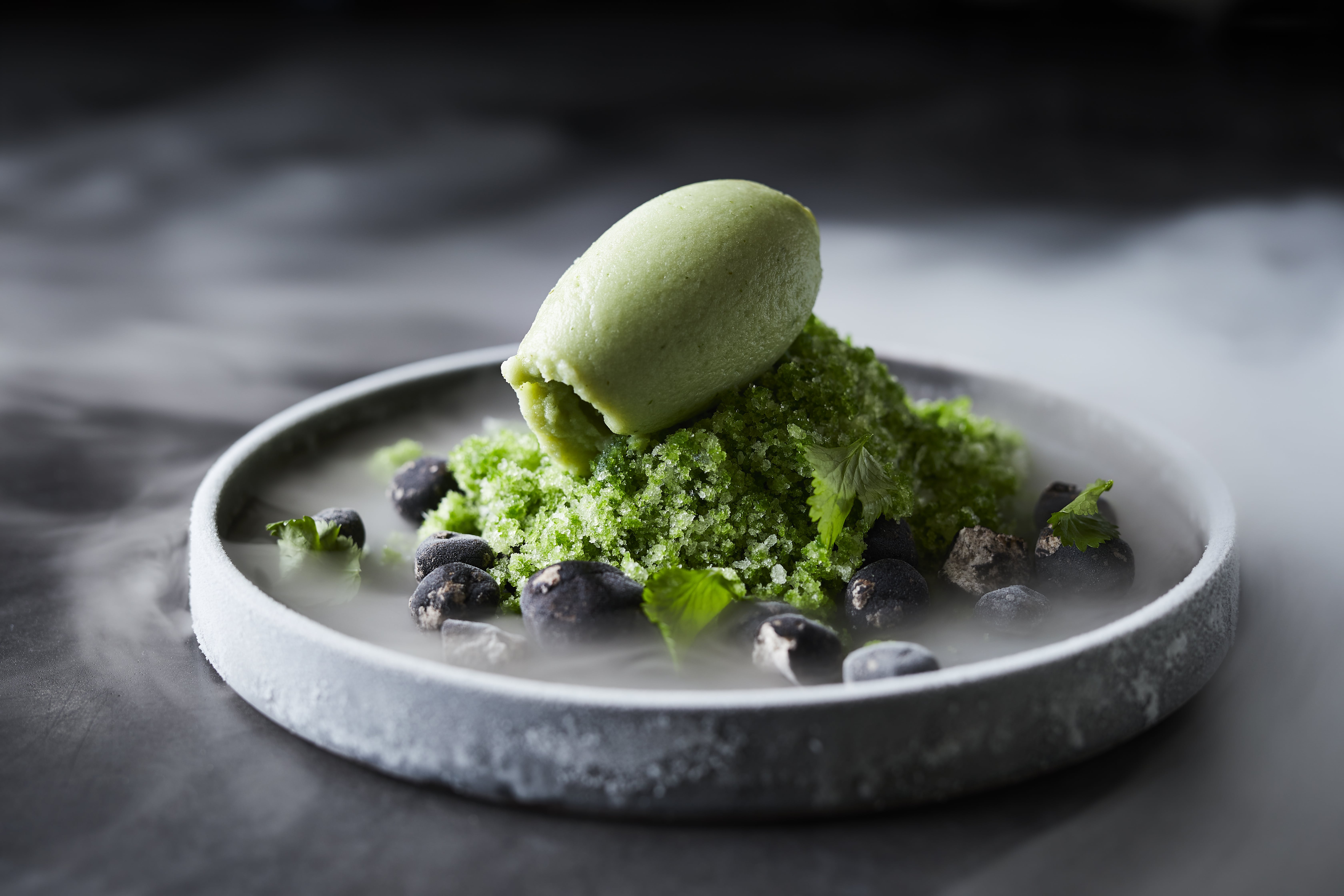
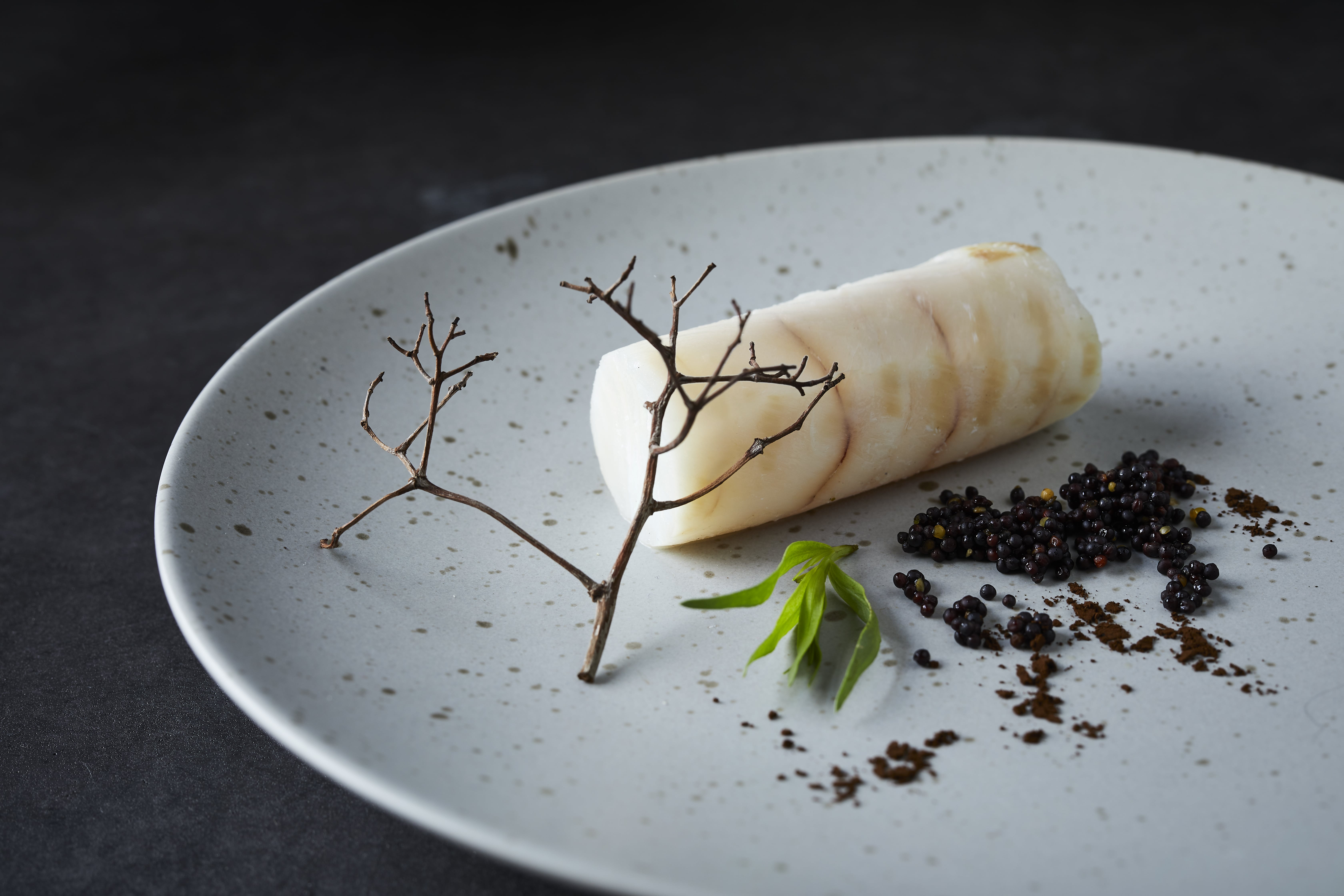
It is possible to pair water and food in the same way as you do with wine and food. For wine, the main rule is white wine for fish and red wine for meat. It’s a bit the same with water. Water with low mineral content goes well with fish and salads. High mineral water is better suited to heavy meat dishes.
How?
When you pair water and food, you do it based on similarities or contrasts in taste and mouthfeel between the water and the food. If the food is fat and creamy, it will be nice to find a water with the same properties. The same goes for a light dish such as fish. Here it a water with the same light properties would be a good choice.
Features
One can use the following three characteristics of the water when pairing it with food. The most powerful of the properties is mouthfeel, so it is usually the easiest to match by.
- Mouthfeel
- TDS (mineral content)
- pH value
Mouthfeel
As we saw in the “Taste and senses” section, mouthfeel plays a big role in the overall taste experience. The mouthfeel of water includes the following attributes:
- Viscosity
- Texture
- Greasy mouthfeel
- Creamy
- Coating of the oral cavity
- Astringent (drying out) oral cavities
- Bubbling feeling of carbonation
- Temperatur

TDS – mineral content
The mineral level in water can vary from aroun 0 mg/l to more than 13,000 mg/l. As we saw earlier, minerals help to give the water its taste, so it goes without saying that water with a low mineral content has more subtle taste than water with a high mineral content. Most of the minerals in water are salty, so the total mineral content naturally plays a major role in how the water should be paired with food.
It is important to emphasize that it is the food, its texture and taste that determine how to pair water and food.
As mentioned in the “Classification” section, the Fine Waters Society has made a classification of the mineral content in water. They have also tried to describe the taste characteristics of each category. The classification of the mineral content and the description of the flavors is a useful tool when trying to pair water and food.
| Classification | TDS | Taste | |
| Very low mineral content | <50 | mg/l | Light and neutral taste |
| Low mineral content | 50 – 250 | mg/l | Clean, soft and neutral taste |
| Medium mineral content | 250 – 800 | mg/l | Classic mineral water flavor |
| High mineral content | 800 – 1500 | mg/l | More substance |
| Very high mineral content | >1500 | mg/l | Very distinctive taste |
pH-value
pH is a term for acid and base in the water. Water with a low pH will taste acidic, while water with a basic pH can be experienced as soft and sweet. Remember that CO2 makes the water acidic, so if a gourmet water producer has two products, one without and one with CO2, then the one with CO2 will have a lower pH and be more acidic.
The Fine Water Society has also classified the pH in water, which can be used to pair water and food.
pH value and taste
| 5,0 – 6,7 | pH | Sour |
| 6,7 – 7,3 | pH | Neutral |
| 7,3 – 7,8 | pH | A little sweet |
| 7,8 – 10 | pH | Alkaline / basic / bitter |
Mouth Cleansing
In addition to enhancing the taste experience, water also has another function in connection with food. It helps cleanse the mouth, thereby cleaning the taste buds so that they can capture even the most subtle flavors.
Which water is best for cleaning the mouth is – as with the taste – based on individual preferences. Some prefer water with carbonation, and others water without carbonation. However, a good suggestion is water with a low TDS, as the low mineral content in the water will act as a magnet to the minerals you have in your mouth. Thereby, the mouth is cleaned faster and more efficiently.
Water in cooking
Water can be used as a low-fat and healthy alternative to butter and oil in daily cooking. In the kitchens of several of the world’s large hotels, mineral water is used instead of butter and oil when preparing food for the guests. This is partly due to the guests’ desire for healthier and low-fat food, but also the fact that water contributes to improving the taste of many dishes. Here are some ideas on how to use water when preparing food. Remember that water with carbonation is more acidic than water without carbonation. Although the CO2 evaporates, the water will still retain its acidity.
Fry without fat
Mineral water is the calorie-free alternative to the usual fats. Heat carbonated mineral water in a hot pan until it boils. Brown the meat or fish in the water. If the moisture evaporates, add more mineral water.
Salad and vegetables
The French Michelin star chef Thierry Marx had the idea of using carbonated water as an alternative to be adding salt to water when boiling vegetables. When cooking vegetables in mineral water, it helps to preserve the color of the vegetables and make them more crisp. Mineral water with bicarbonate makes the vegetables more soft, thereby reducing cooking time, which means that you can maintain a higher vitamin content in the vegetables. In addition, water with bicarbonate has the advantage of having a slightly salted flavor. The slightly salty taste is transferred to the vegetables, so you do not need to add extra salt.
Mineral water with carbonation – as a substitute for oil – makes a salad dressing fresher and low in fat. If you fry vegetables with mineral water, the vegetables become more crunchy and their color is preserved and becomes more intense.
Soup and sauces
Mineral water makes soups and sauces more foamy and gives them more flavor, and at the same time you can avoid the cream.
Baking
Did you know that yeast contains sodium bicarbonate, which is also present in some mineral water? If you use mineral water that is high in bicarbonate, more carbon dioxide is created in your cake and the texture becomes more light and airy. Replace some of the milk with carbonated mineral water – the dough becomes better and extra light. The carbon dioxide acts as a leavening agent and is a natural substitute for baking soda.
Desserts
Carbonated mineral water makes quark, waffles and mousses more creamy and delicate, so you can cut down on the milk and cream. With a slightly mineralized mineral water, the natural taste is retained in the dessert.
Gourmet water
The gourmet concept is not only reserved for food, wine, coffee, licorice, etc. There is also gourmet water, which, due to its taste and history, can help lift the overall taste experience.
Read more here.
Classification
As with wine, there are different classifications. There are also classifications of the mineral content and the carbon dioxide content, both of which are important for the taste experience.
Read more here.
Taste and senses
How do we perceive taste? What affects the overall taste? Read about our five senses and why they all influence the taste. Learn about mouthfeel, which is very important for the taste of water.
Read more here.
The flavor of water
It’s the minerals in water that contribute to the taste, but the mouthfeel plays a major role. Read about which minerals are in the water, how they affect the taste, and how carbon dioxide affects the taste.
Read more here.
Water tasting
Can you taste the difference? Which water to Use? Without carbonation or with carbonation? What influence do the glasses have on what you drink? In what order should you taste the water?
Read more here.
Gastronomy
The wrong water with food or wine can disturb or completely destroy the taste experience. Which factors in the water have influence and how do you pair water with food and wine?
Read more here.
My name is Carsten Skov, and I am the first Dane to have completed the education as a water sommelier at Doemen’s Academy in Germany, which is an old well established educational institution in the field of sensory training.
If you have any questions or comments, please write to me at cph@smagenafvand.dk