Carbonation
Water “with gas”, “with carbonation”, “with bubbles” or “sparkling” – there are many expressions for water containing carbon dioxide. Some people believe that all mineral water has the carbon dioxide added, but there are waters where the carbon dioxide is naturally present in the water. Examples of this include Pedras, Farrelle, Borsec and Badoit. Perrier also comes from a source of natural carbon dioxide. But at Perrier, the carbon dioxide and the water are taken from different depths, separated and the CO2 is then added to the water later. Carbon dioxide is usually only present in water that comes from areas where there is volcanic activity. The carbon dioxide comes from the gases that are naturally present in the subsoil.
Carbon dioxide is gas (CO2) that will form carbonic acid (H2CO3) when it comes into contact with water (H2O).
Carbonic acid (H2CO3) = water (H2O) + gas (CO2)
As the name says, carbonic acid, it is an acid that gives the water an acidic/sour taste. The bubbles in carbon dioxide also stimulate our nerves in the mouth and activate a positive or negative feeling depending on our individual preferences.
A large amount of carbon dioxide can destroy the natural taste of the water and can also influence the taste of the associated wine or food.
The mouthfeel of carbon dioxide when released into the mouth is often described as tickling, refreshingly “sharp,” or “aggressive” depending on the amount of carbon dioxide.
Although carbon dioxide does not smell, it may affect the taste of flavored drinks, as the threshold values of fragrance are changed by carbon dioxide. Threshold value is an expression of the amount of a given substance that must be present for it to be perceived by human senses.
The carbon dioxide can be added in different amounts depending on how large the bubbles you want in the water and how acidic you want the taste to be. Most water has 1 – 10 mg/l carbon dioxide in the water.
Carbon dioxide has a preservative effect, and is therefore sometimes added in very small amounts, as it can extend the shelf life of the water. In such cases, the carbon dioxide will disappear as soon as one opens the bottle so that it cannot be seen or tasted.
An excess of carbon dioxide can anesthetize the taste buds.
Carbon dioxide and the sense of touch – Trigeminal impressions (Pain / Irritation)
The trigeminal nerve is the strongest brain nerve, and it is divided into three main nerve lines that help with sensory and motor functions in the face.
- The eye nerve (Nervus Ophthalmicus) connects the forehead, lacrimal gland and ethmoid bone.
- The upper jaw nerve (Nervus Maxillaris) connects the upper jaw region, the teeth of the upper jaw, the palate and parts of the facial skin.
- The lower jaw nerve (Nervus mandibularis) connects the AFFERENT NERVE FIBERS and chewing muscles, the tongue and the lower mouth.
When drinking water with carbon dioxide – or eating spicy food – there is an influence on the trigeminal nervous system. The nervous system detects an irritation/pain in the oral cavity. Nerve reaction is what gives us the feeling of irritation and sometimes a short-term pain – especially from spicy food.
Gourmet water
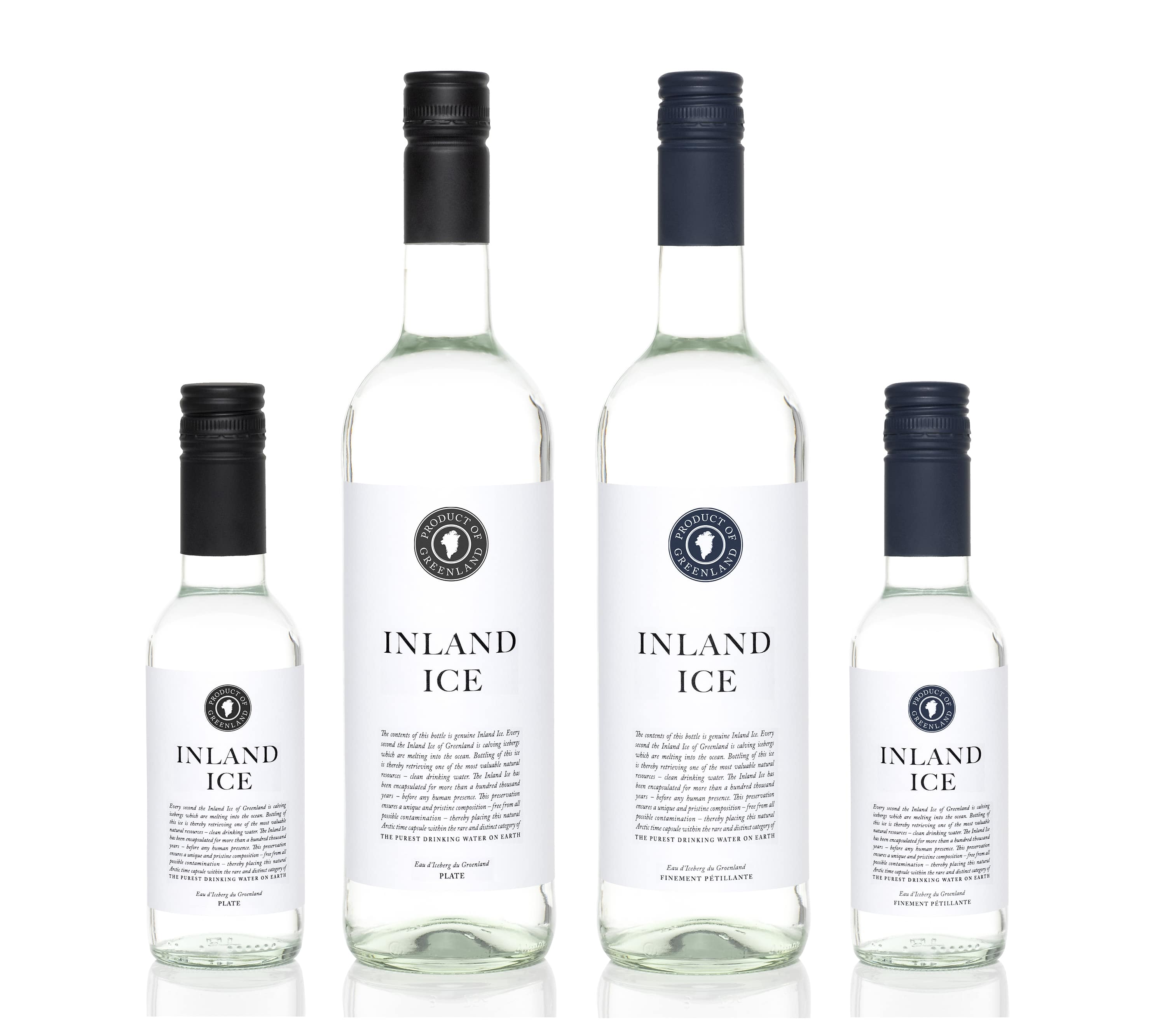
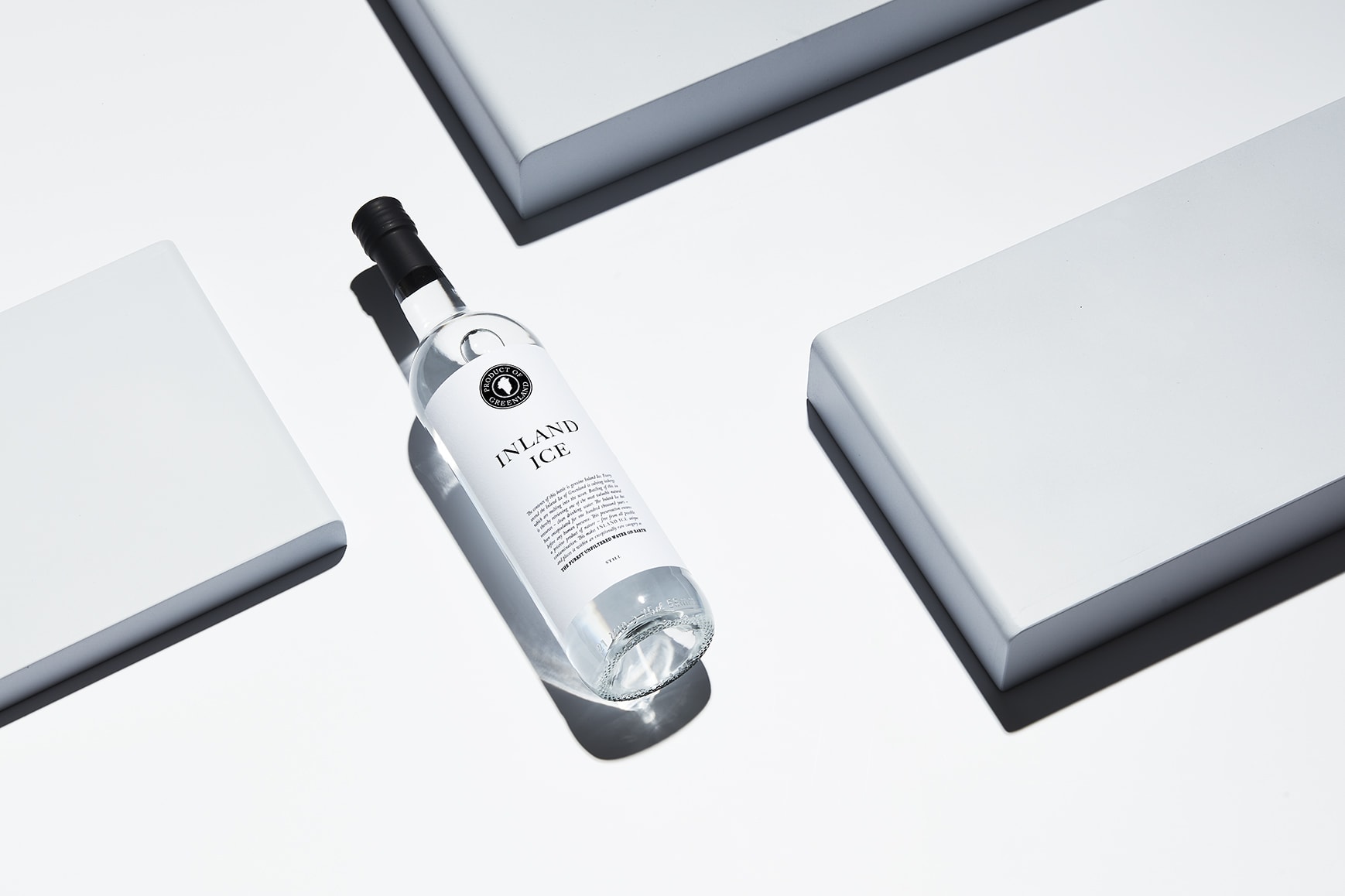
The gourmet concept is not only reserved for food, wine, coffee, licorice, etc. There is also gourmet water, which, due to its taste and history, can help lift the overall taste experience.
Read more here.
Classification
As with wine, there are different classifications. There are also classifications of the mineral content and the carbon dioxide content, both of which are important for the taste experience.
Read more here.
Taste and senses
How do we perceive taste? What affects the overall taste? Read about our five senses and why they all influence the taste. Learn about mouthfeel, which is very important for the taste of water.
Read more here.
The flavor of water
It’s the minerals in water that contribute to the taste, but the mouthfeel plays a major role. Read about which minerals are in the water, how they affect the taste, and how carbon dioxide affects the taste.
Read more here.
Water tasting
Can you taste the difference? Which water to Use? Without carbonation or with carbonation? What influence do the glasses have on what you drink? In what order should you taste the water?
Read more here.
Gastronomy
The wrong water with food or wine can disturb or completely destroy the taste experience. Which factors in the water have influence and how do you pair water with food and wine?
Read more here.
My name is Carsten Skov, and I am the first Dane to have completed the education as a water sommelier at Doemen’s Academy in Germany, which is an old well established educational institution in the field of sensory training.
If you have any questions or comments, please write to me at cph@smagenafvand.dk