Water is like wine
Water is like wine. It has different tastes depending on where it comes from, it is available in sleek bottles with beautiful labels, and it has an exciting history. However, unlike wine, few are aware of it.
Water is not only a prerequisite for all life on earth. Water is also one of the most essential ingredients in many products that have become part of the gourmet concept recently. The taste and characteristics of things such as beer, whiskey, coffee, and tea depend heavily on the quality of the water used.
It is still a widespread perception that all water is the same and that all water tastes the same. This view is like thinking that all wine, wherever it comes from, tastes the same.
On this site you will find information that can offer a new and more nuanced opinion of water, as well as tools to better distinguish between the different types of water all over the world.
Read the sections independently, or for a continuous progression and the best understanding of the topics, follow the section order at the top of the menu bar.
- Gourmet water
- Classification + subsection
- Taste and senses
- Water taste + subsection
- Water tasting
- Gastronomy + subsection
Water tastes different
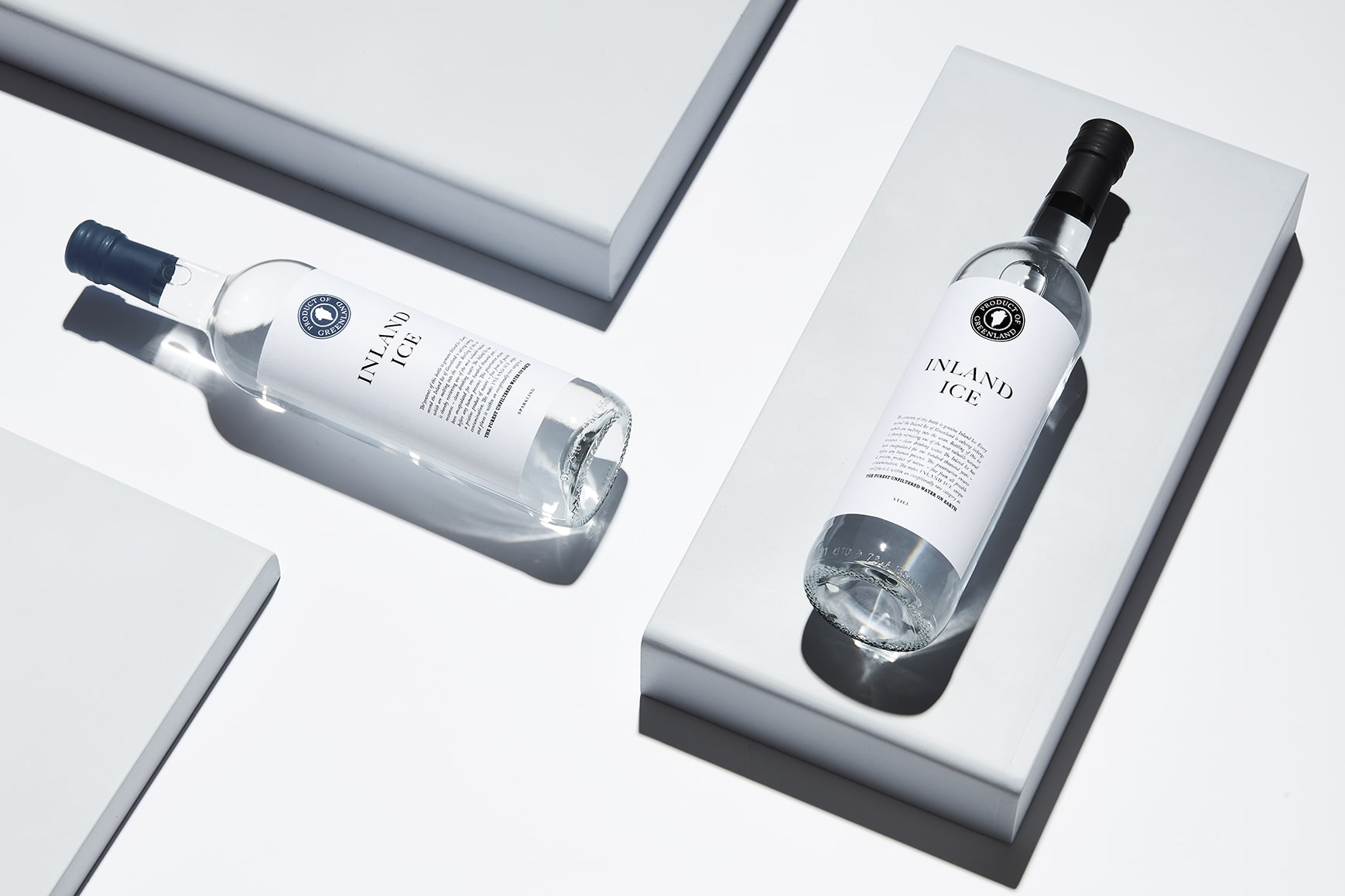
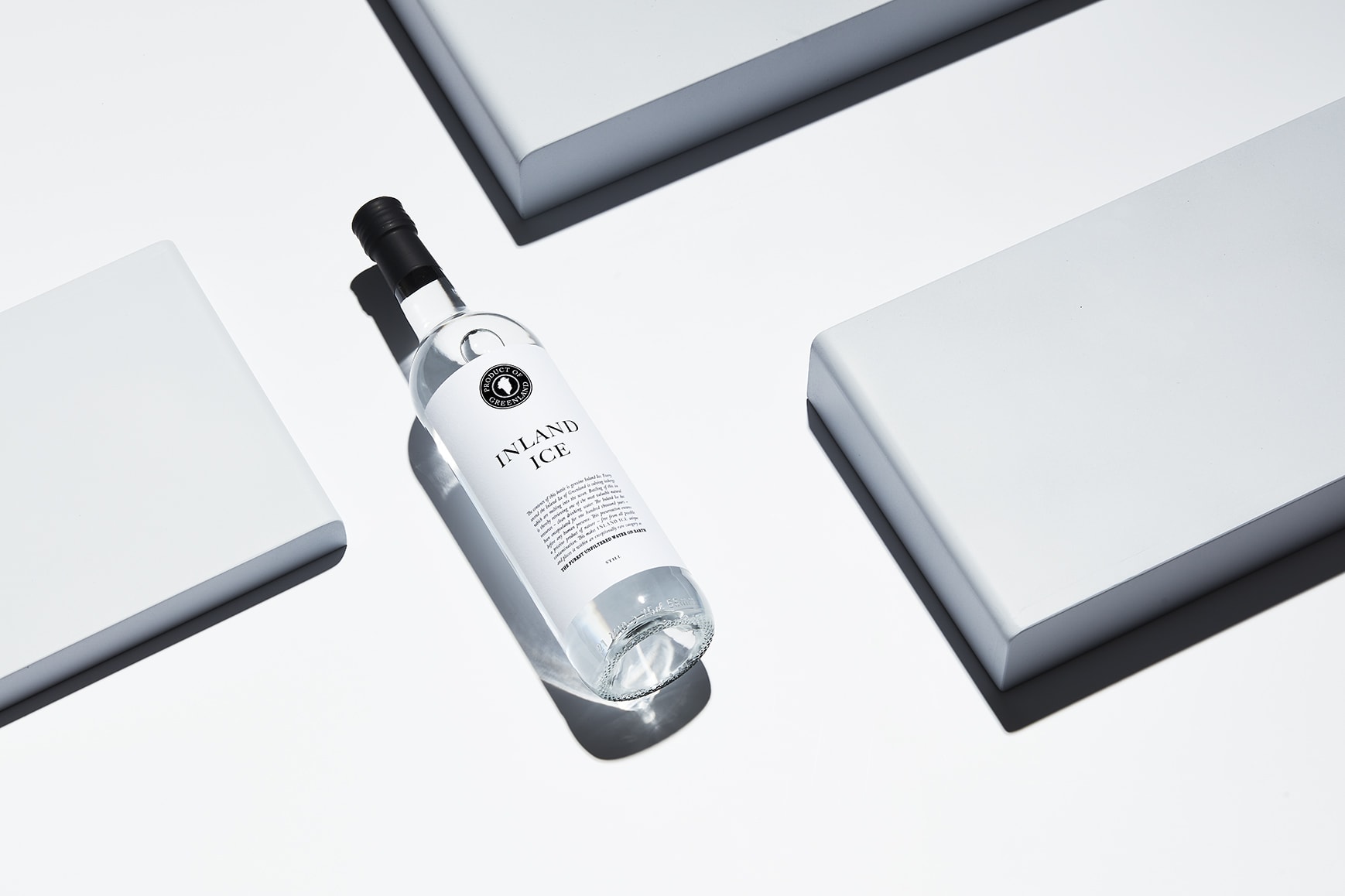
It may come as a surprise to some that the taste of water depends on its origin. Water in western Denmark tastes different than water in eastern Denmark, and water in Denmark tastes different than water from Greenland, Germany or Italy.
Whether we drink tap or bottled water, all water is rainwater. When it rains, the rainwater absorbs CO2 particles from the air. When the water (H2O) mixes with the CO2, it creates carbonic acid (H2CO3) and the water becomes acidic.
Due to the climatic conditions, some rainwater freezes immediately, stored in its purest form as ice in glaciers or in the ice sheet of Greenland. Most of the water seeps into the soil, where the acid content of the water can dissolve the mineral-containing materials found underground. When the water seeps into the soil, it dissolves minerals it meets on the way. Minerals slowly absorb into the water and give the water its specific characteristics and taste. The more minerals that are deposited underground and the longer they are in contact with the water, the greater the total mineral content of the water will be, and the stronger the taste of the minerals will be in the water.
Consciously or unconsciously
Many people may usually not notice the flavors they are exposed to during the day. Eating or drinking something daily is normally done unconsciously, based on past experience, and therefore the taste isn’t carefully observed.
When you consciously taste what you eat or drink, and when you concentrate on capturing the taste nuances, the taste impressions will be enhanced, and the experience will be different.
For example, when drinking a familiar wine, people tend to be less aware of the taste than with an unfamiliar wine. We often pay more attention to the taste nuances of unfamiliar food or drink.
To be consciously about taste, some background knowledge and tools are required to be able to analyze and reflect on the tastes being experienced. Many people know how to taste wine, but not many people know how to taste water.
On the following pages you can find information that will give you knowledge about water and tools that will help you when you are going to try different kinds of water. Find answers to questions such as the following:
- What is the difference between the types of water you can buy?
- What gives the water its taste?
- Why do waters taste different?
- What senses do we taste with?
- What contributes to our water tasting experience?
- What importance does water have on the tastes of other foods?
- How do you pair water with wine?
- How do you pair water with food?
Gourmet water
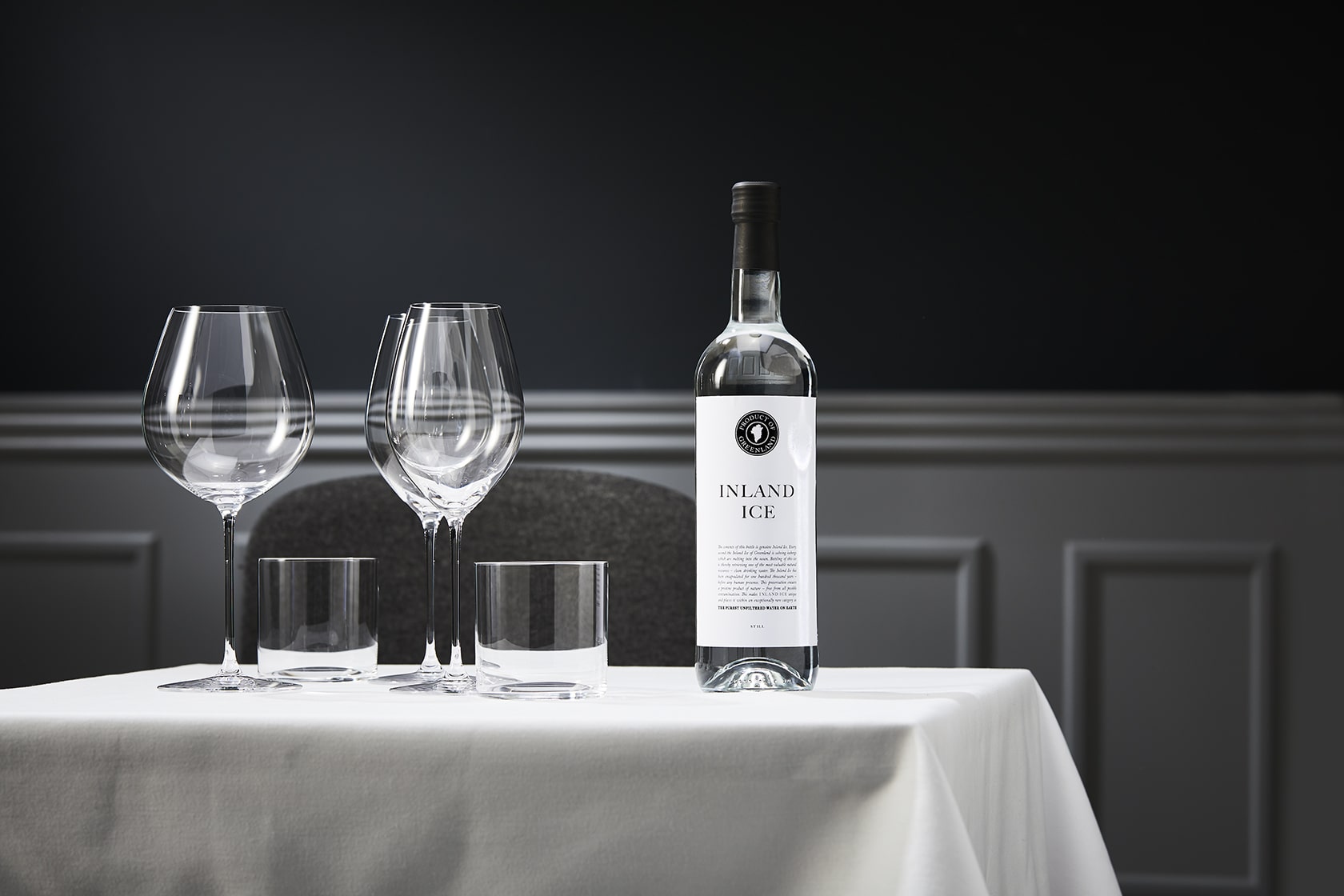
The gourmet concept is not only reserved for food, wine, coffee, licorice, etc. There is also gourmet water, which, due to its taste and history, can help lift the overall taste experience.
Read more here.
Classification
As with wine, there are different classifications. There are also classifications of the mineral content and the carbon dioxide content, both of which are important for the taste experience.
Read more here.
Taste and senses
How do we perceive taste? What affects the overall taste? Read about our five senses and why they all influence the taste. Learn about mouthfeel, which is very important for the taste of water.
Read more here.
The flavor of water
It’s the minerals in water that contribute to the taste, but the mouthfeel plays a major role. Read about which minerals are in the water, how they affect the taste, and how carbon dioxide affects the taste.
Read more here.
Water tasting
Can you taste the difference? Which water to Use? Without carbonation or with carbonation? What influence do the glasses have on what you drink? In what order should you taste the water?
Read more here.
Gastronomy
The wrong water with food or wine can disturb or completely destroy the taste experience. Which factors in the water have influence and how do you pair water with food and wine?
Read more here.
My name is Carsten Skov, and I am the first Dane to have completed the education as a water sommelier at Doemen’s Academy in Germany, which is an old well established educational institution in the field of sensory training.
If you have any questions or comments, please write to me at cph@smagenafvand.dk