Water and wine
Many people drink water with wine – probably more of a habit than of understanding what the water contributes to. So, let’s look at why we drink water with wine, and how to achieve the best combination. The water has different functions along with the wine:
- It quenches your thirst
- It optimizes the taste experience of the wine
- It cleanses the palate and taste buds.
Optimization of taste
Few people realize how much influence the associated water has on the overall taste experience of wine. The minerals of the water and CO2 influence several of the wine’s characteristics:
Alcohol
Ethanol (alcohol) is what gives a slightly burning sensation in the back of the throat when we drink wine. Carbonated water can enhance the burning sensation. In addition, water with carbon dioxide transports the alcohol faster through the bloodstream to the stomach, which means that the alcohol works faster.
Sugar
Water with CO2 helps balance the sweet taste.
Acidity
Water with CO2 intensifies the acidity. Water that tastes sweet balances the sour and sweet. Bicarbonate in the water neutralizes and eases the sour taste.
Tannins – red wine
Wine with many tannins is not well-suited to water with a high CO2 content. The carbon dioxide emphasizes the tannins and makes the water bitter.
Water with a high calcium content makes the wine more bitter.
Glycerin
Water with CO2 influences the glycerin in the wine and affects the viscosity and makes the wine’s “body” lighter.
Sweet wines
Fits well with CO2-containing water. The carbonic acid seems refreshing and emphasizes the sweetness of the wine.

The wine
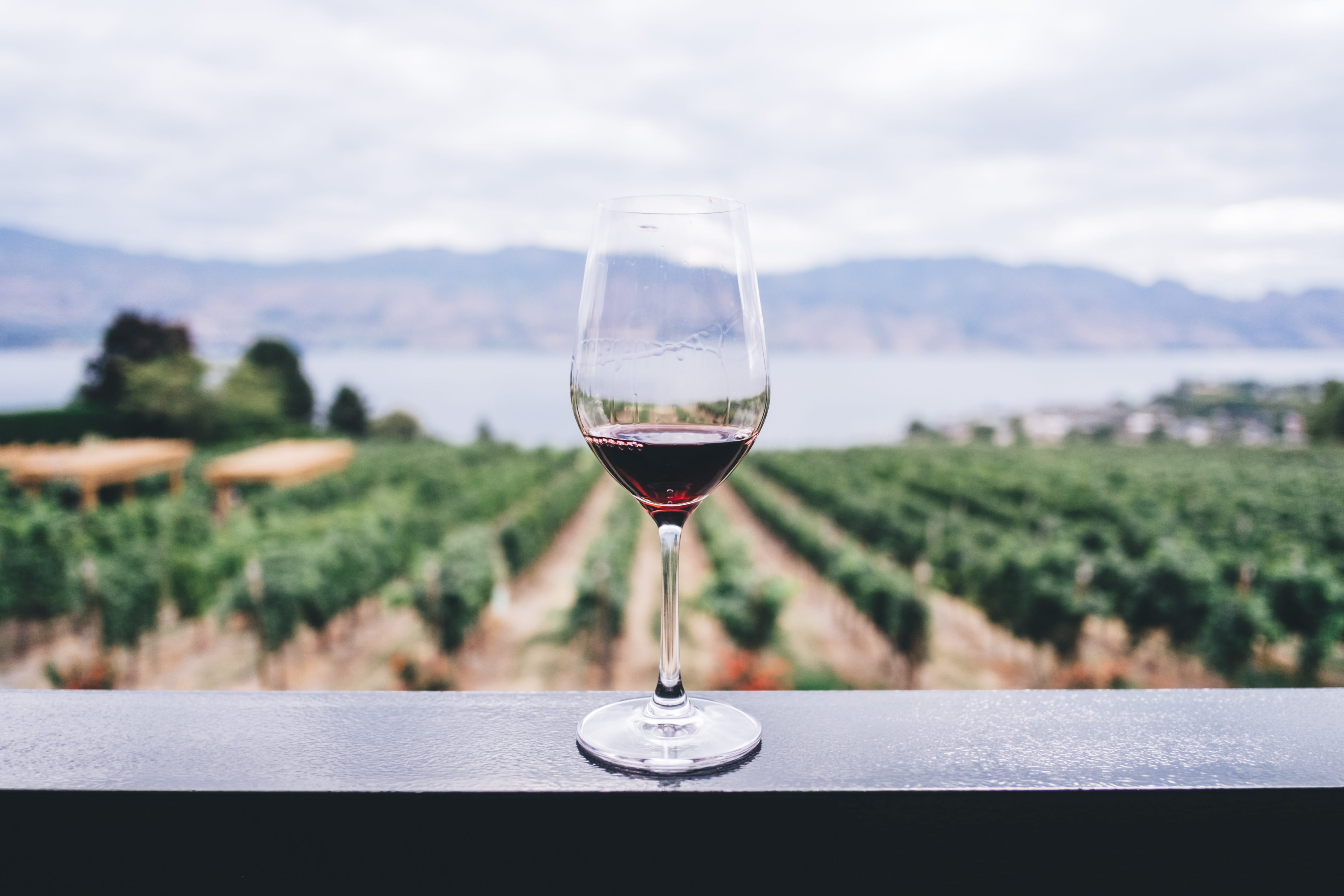
It is the wine’s composition that determines which water to drink with it. Be aware that wines have different tastes.
Red wines are bitter, a little sour and a little sweet. White wines are sour, a little sweet and a little bit bitter. Dessert wines are sweet, a little sour and a little bit bitter.
Lighter wines:
More acidity
Less alcohol
Fewer tannins
Less sugar
Powerful wines:
Less acidity
More alcohol
More tannins
More sugar
The water
One must pay attention to the following when finding a suitable water for wine.
- Mouthfeel
- TDS
- pH value
Mouthfeel
As we saw in the “Taste and senses” section, mouthfeel plays a big role for the overall taste experience. The mouthfeel for water includes:
- Viscosity
- Texture
- Greasy mouthfeel
- Creamy
- Coating of the oral cavity
- Astringent (drying out) oral cavities
- Cascading carbon dioxide sensations
- Temperature.
TDS
It is the minerals that give the taste. The higher the mineral content, the stronger and clearer the taste of the minerals. The taste of the water can thus affect the taste of the wine. A neutral water with few or no bubbles will be the one that has the least influence on the taste of the wine.
Use Fine Waters’ classification as a guideline for the flavors in the water.
| Classification | TDS | Taste | |
| Very low mineral content | <50 | mg/l | Light and neutral taste |
| Low mineral content | 50 – 250 | mg/l | Clean, soft and neutral taste |
| Medium mineral content | 250 – 800 | mg/l | Classic mineral water flavor |
| High mineral content | 800 – 1500 | mg/l | More substance |
| Very high mineral content | >1500 | mg/l | Very distinctive taste |
We can add water with a TDS of more than 3000 mg / l, which has a very distinct character and taste.
pH value
The acidity of water affects the taste and influences the wine. Use Fine Waters’ pH classification as a guideline for water acidity.
pH Taste
| 5,0 – 6,7 | pH | Sour |
| 6,7 – 7,3 | pH | Neutral |
| 7,3 – 7,8 | pH | A little sweet |
| 7,8 – 10 | pH | Alkaline / basic / bitter |
Remember that water with carbon dioxide is more acidic than similar non-carbonated water.
Mouth Cleansing
Besides enhancing the taste experience, water also has another function with wine. It helps cleanse the mouth, thereby cleansing the taste buds so that they can capture even the most discrete flavors.
Which water is best for cleaning the mouth depends on individual preferences. Some prefer water with carbonation, and others water without carbonation. However, a good suggestion is water with low TDS, as the low mineral content in the water will act as a magnet for the minerals you have in your mouth. Thereby, the mouth is cleaned faster and more efficiently. Remember that water with carbonation has a lower pH than water without carbonation. Water with carbonation is therefore more acidic.
Gourmet water
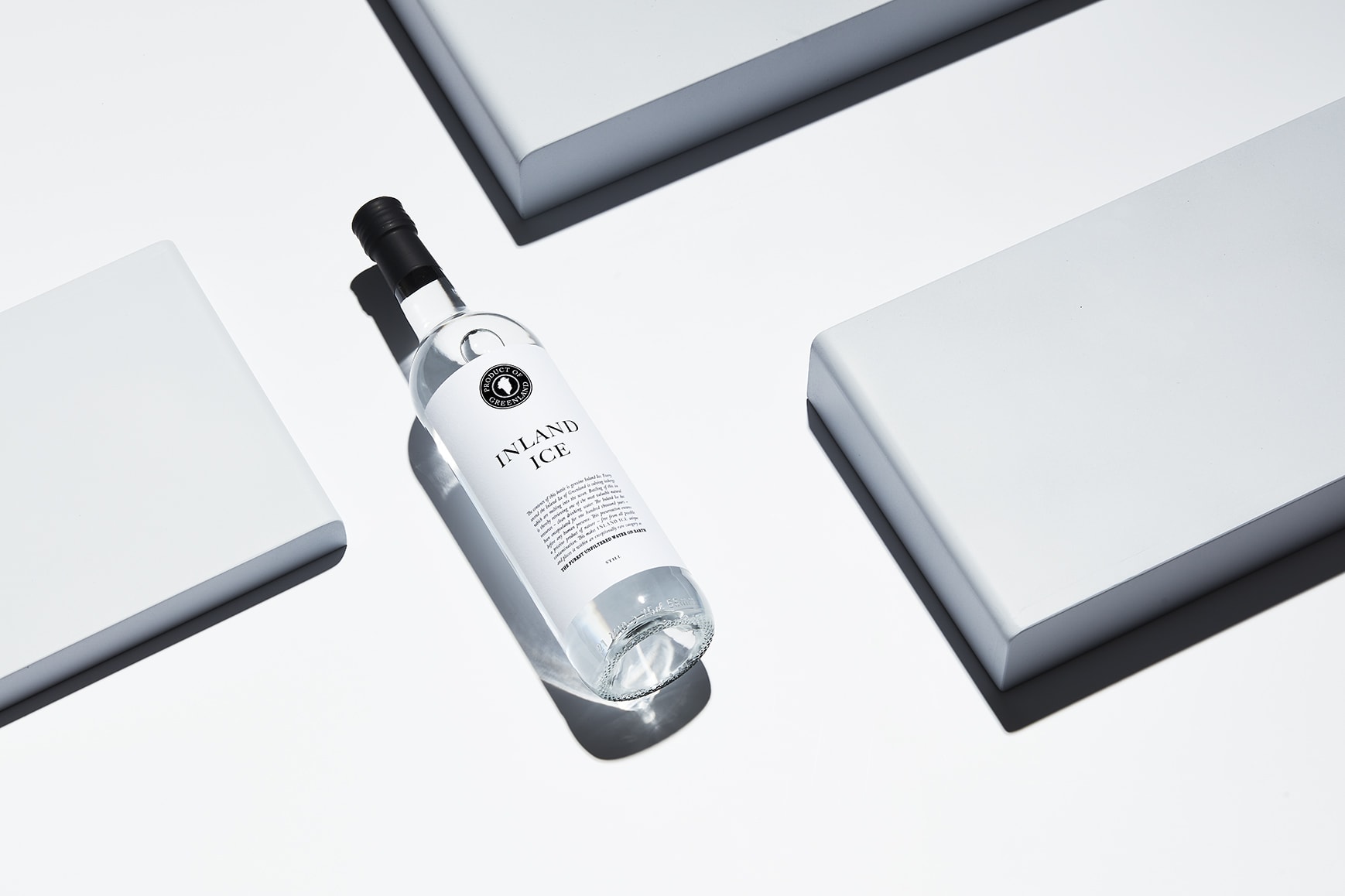
The gourmet concept is not only reserved for food, wine, coffee, licorice, etc. There is also gourmet water, which, due to its taste and history, can help lift the overall taste experience.
Read more here.
Classification
As with wine, there are different classifications. There are also classifications of the mineral content and the carbon dioxide content, both of which are important for the taste experience.
Read more here.
Taste and senses
How do we perceive taste? What affects the overall taste? Read about our five senses and why they all influence the taste. Learn about mouthfeel, which is very important for the taste of water.
Read more here.
The flavor of water
It’s the minerals in water that contribute to the taste, but the mouthfeel plays a major role. Read about which minerals are in the water, how they affect the taste, and how carbon dioxide affects the taste.
Read more here.
Water tasting
Can you taste the difference? Which water to Use? Without carbonation or with carbonation? What influence do the glasses have on what you drink? In what order should you taste the water?
Read more here.
Gastronomy
The wrong water with food or wine can disturb or completely destroy the taste experience. Which factors in the water have influence and how do you pair water with food and wine?
Read more here.
My name is Carsten Skov, and I am the first Dane to have completed the education as a water sommelier at Doemen’s Academy in Germany, which is an old well established educational institution in the field of sensory training.
If you have any questions or comments, please write to me at cph@smagenafvand.dk