Gourmet water
There are thousands of different brands of water worldwide. Water is usually available in plastic bottles, glass bottles, cartons, or cans. The choice of packaging depends on the price and target group. Packaging complies with normal industry standards and does not differ much in terms of quality. However, this is not the case for the product inside – the water – where the quality and taste can vary greatly.
Mass-produced vs. homemade
If you ask people about the difference between homemade and mass-produced food, most people will respond that the difference is in taste and quality. The same goes for water. In many cases, mass-produced water is nothing but tap water. The water is processed in different ways to hit the desired tastes. In the United States, it is estimated that more than 25% of bottled water is ordinary tap water. “Homemade” water is water from natural sources, and water that hasn’t been made at a factory. Nature has done all the work to create the perfect taste.
The production costs for mass-produced goods are usually much less than for homemade goods. The low quality products are cheaper than the quality products. This means that many refrains from buying the best products. This is especially true for water as most consumers believe – mistakenly – that all water tastes the same, and that all water is the same.
“All water tastes the same”, “Water is just water”
In the 1970s, in Denmark, there was a small, poor and cheap selection of wines in the shops. Many people even made wine at home. Most didn’t know what a sommelier was. People drank Carlsberg, Tuborg or another Danish brand of beer. The chocolate always came from the local chocolate factory, and most foods were mass-produced locally in Denmark. Many people hadn’t yet heard of extra virgin olive oil. Products were mass-produced with the price as the crucial parameter. Back then, people said that “all wine tastes similar,” “all beer tastes similar,” and “all chocolate tastes similar,” just like people talk about water today. The generalization was due to a lack of knowledge and lack of experience of quality products, among other things, which was partly due to a limited selection of the goods in the stores.
Today, the situation is quite different.
- Almost everyone knows about wine, and many people know the most important grape varieties and wine regions.
- You can get specially made beer with many different flavors.
- Chocolate is handmade and made according to secret recipes.
- Gourmet licorice is now available.
- Olive oil is suddenly “in” in Denmark, and part of the gourmet concept.
The changes from the 1970s to the present are partially due to people becoming aware of the difference in quality and taste between mass-produced and homemade products. Today, people are willing to pay more for a better product. Additionally, people have gained more knowledge about products and have learned that there are different qualities and therefore also different tastes. People understand that homemade products are not mass-produced with the low prices in mind, but in terms of quality and taste experience.
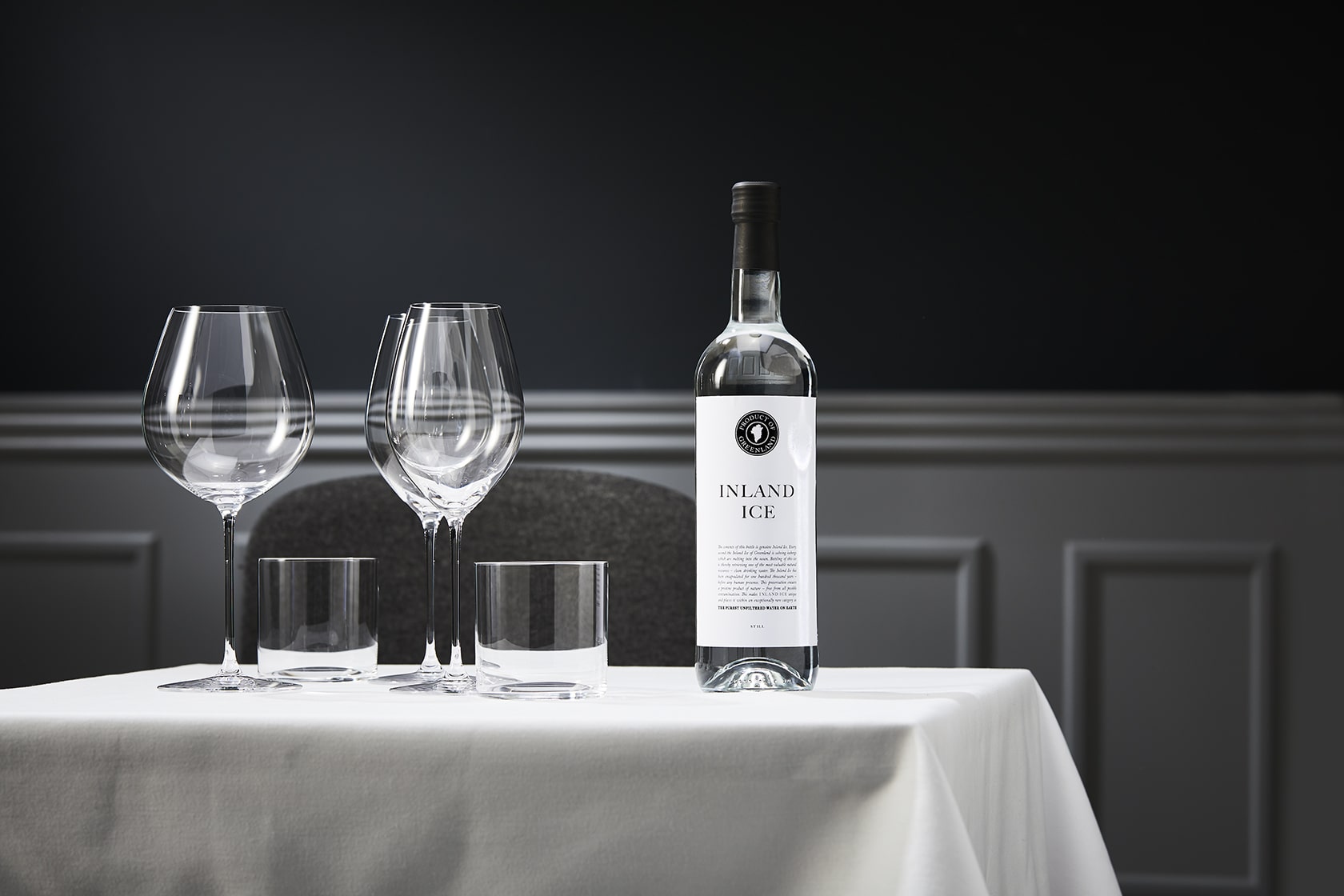
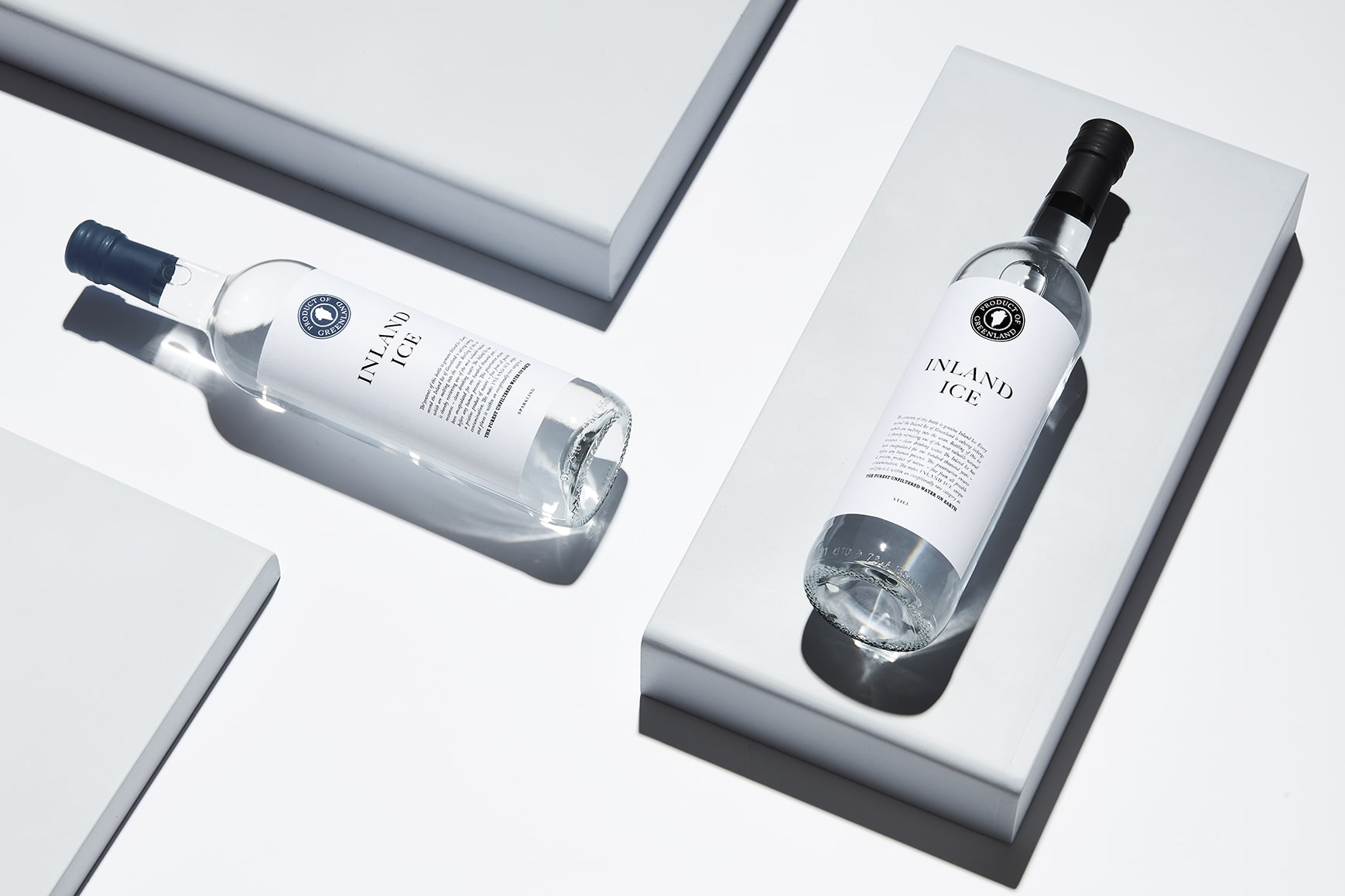
Homemade has become gourmet, both in terms of food, wine, chocolate, and soon, also water. It is thought-provoking that for almost all foods and beverages there is a category of gourmet products, however for the most important product of life, WATER, there is none.
What is Gourmet Water?
In English water that has a special taste, history and quality that makes it particularly suitable for food or wine is called fine dining water. We do not have a similar term in Danish, so among professionals, this type of water is referred to as gourmet water. As with most other gourmet products, there is no key for gourmet water qualities, but here are my suggestions to what a gourmet water is:
- Gourmet water has terroir. The source, geography and history indirectly contribute to a different and better experience.
- Gourmet water comes from a natural source (underground or above ground).
- Gourmet water is completely natural and has not undergone any processing that has changed the basic taste property of the water.
- Minerals have not been added or removed.
- Gourmet water’s mineral content gives it a distinctive flavor that, when paired correctly with food and wine, enhances the taste experience.
- Gourmet water is produced by smaller producers and NOT by huge multinational companies.
- The goal of gourmet water is QUALITY, not quantity.
- Gourmet water is served in glass bottles.
- Gourmet water is made by nature, not factories.
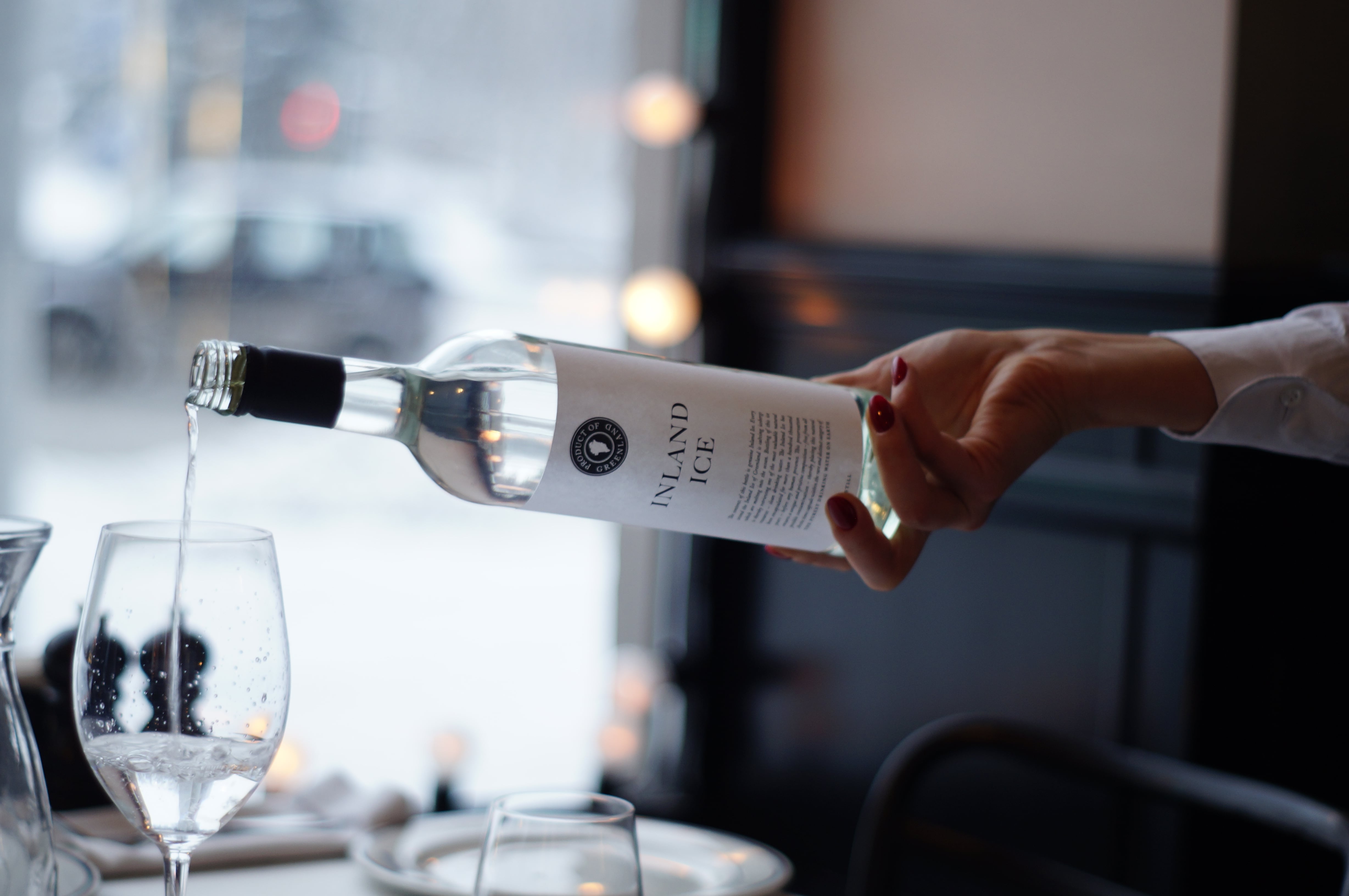
It should be noted that water can easily be gourmet water even if it is not natural mineral water or spring water. One of the main requirements for natural mineral water and spring water is that the water must come from an underground source, but much of the world’s gourmet water comes from sources that are not underground. This includes water from mountain lakes, glaciers, or water from the ice sheet in Greenland. The most important thing is that the water has terroir, comes from a natural source and is not made at a factory.
Gourmet Water vs. Tap Water
Around the world, tap water comes in many different qualities. In some places, it is not advisable to drink it; in other places it has the taste of chlorine that has been added to the water, and in some countries, for example, in the Nordic countries, the tap water is of an exceptional quality. There is nothing wrong with drinking tap water with food. Tap water in Denmark is subject to different rules for threshold values in the water to make the water taste as neutral as possible so that everyone can drink it. The mineral content of Danish tap water is about 200 – 410 mg /l and therefore, it is classified as “medium mineral content water.”
The classification “medium mineral content” is one of five classes of mineral content in water. There are four other classes where the mineral content is lower or higher than the level measured in Danish tap water – four classes of water with different taste than tap water, and four classes of water that few try to taste. This is the same as only drinking rosé because you don’t know that white and red wine exist.
You can learn more about the classification of water in the “Classification” section.
There are several reasons why people choose to drink tap water with food. Sustainability and price are important reasons, but most of all, it is due to the lack of knowledge about water and the taste of water combined with the limited selection of water in many countries’ shops and restaurants. People have still not discovered that water has flavor, and that it actually has an effect on the taste of both food and wine.
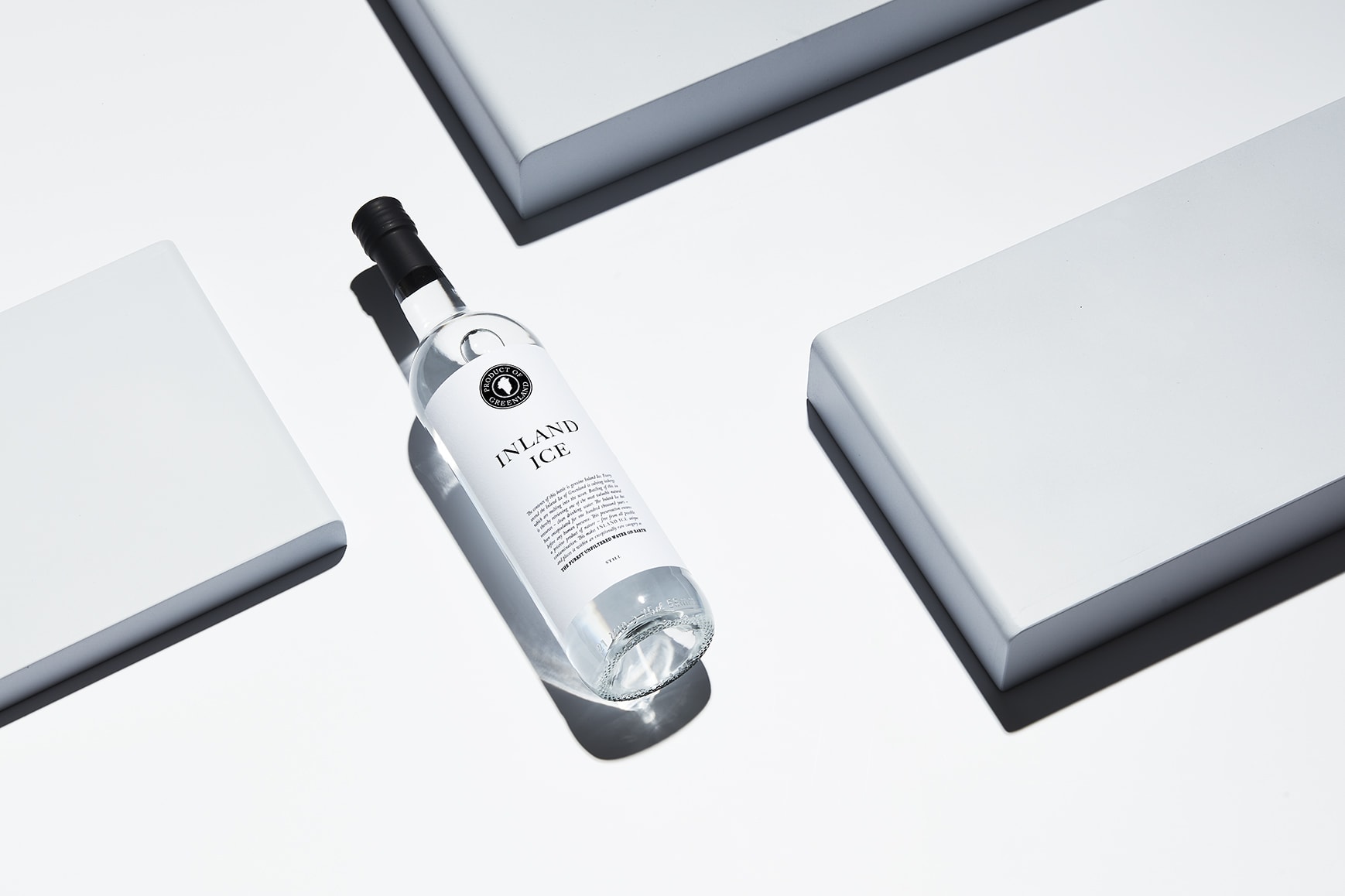
Gourmet water
The gourmet concept is not only reserved for food, wine, coffee, licorice, etc. There is also gourmet water, which, due to its taste and history, can help lift the overall taste experience.
Read more here.
Classification
As with wine, there are different classifications. There are also classifications of the mineral content and the carbon dioxide content, both of which are important for the taste experience.
Read more here.
Taste and senses
How do we perceive taste? What affects the overall taste? Read about our five senses and why they all influence the taste. Learn about mouthfeel, which is very important for the taste of water.
Read more here.
The flavor of water
It’s the minerals in water that contribute to the taste, but the mouthfeel plays a major role. Read about which minerals are in the water, how they affect the taste, and how carbon dioxide affects the taste.
Read more here.
Water tasting
Can you taste the difference? Which water to Use? Without carbonation or with carbonation? What influence do the glasses have on what you drink? In what order should you taste the water?
Read more here.
Gastronomy
The wrong water with food or wine can disturb or completely destroy the taste experience. Which factors in the water have influence and how do you pair water with food and wine?
Read more here.
My name is Carsten Skov, and I am the first Dane to have completed the education as a water sommelier at Doemen’s Academy in Germany, which is an old well established educational institution in the field of sensory training.
If you have any questions or comments, please write to me at cph@smagenafvand.dk